2026-08-08 16:58:27
Wooden puzzles are popular because they combine creativity,problem-solving,and decorative value.However,after completing a wooden puzzle,many people face a common question:how to put a wooden puzzle back together after taking it apart or mixing up the pieces.
Unlike traditional cardboard puzzles,wooden puzzles often have unique shapes,irregular cuts,and three-dimensional structures,making them more challenging to restore.Whether you are working on a 3D Wooden Puzzle,a wooden jigsaw puzzle,or a decorative DIY puzzle,the right method can help you rebuild it efficiently.
This guide explains practical steps,useful techniques,and tips for putting wooden puzzle pieces back together.
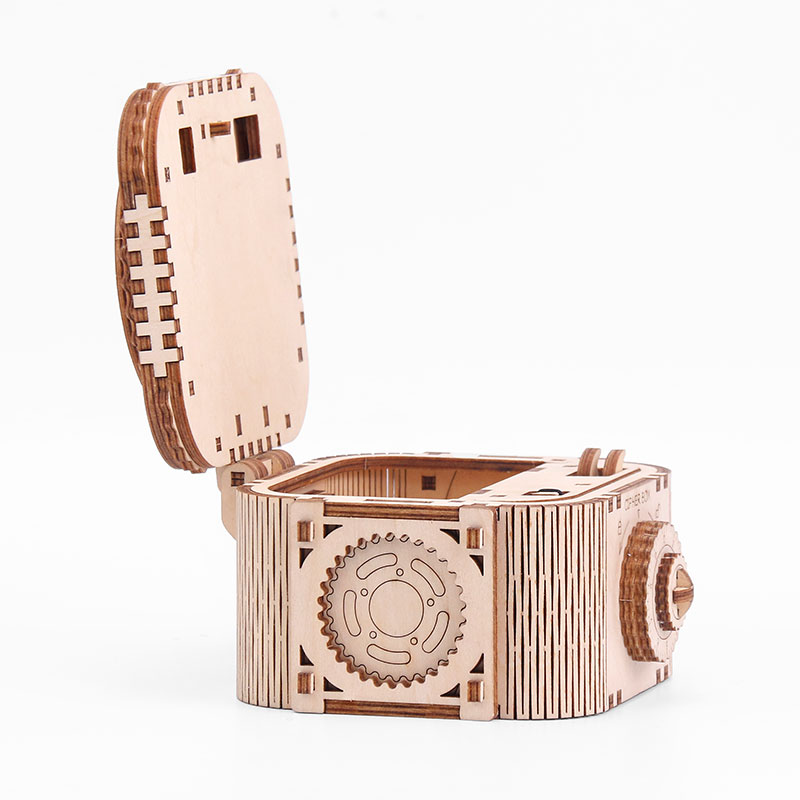
Wooden puzzles are different from regular puzzles because of their special design features:
Wooden puzzle pieces are often laser-cut with irregular edges,making each piece different.Unlike standard jigsaw puzzles,many wooden pieces do not have identical tabs and blanks.
Wood grain,color variations,and thickness differences can affect how pieces fit together.
Some wooden puzzles,especially 3D wooden puzzle kits,contain multiple layers and interlocking parts that require assembly order.
Understanding these characteristics makes the rebuilding process easier.
Before trying to rebuild the puzzle,organize the pieces properly.
Sort the pieces into groups:
Edge pieces
Corner pieces
Large shapes
Small details
Similar colors or patterns
For wooden animal puzzles,wooden architecture puzzles,or miniature models,separating structural pieces from decorative parts can save time.
Before assembly,make sure all pieces are available.
A missing piece may make it impossible to complete the puzzle correctly.
The easiest way to put a wooden puzzle back together is by using a reference.
Helpful sources include:
Product packaging image
Assembly instructions
Manufacturer website
Previous photos of the completed puzzle
For complex designs like diy wooden puzzle kits,the assembly guide is usually the most reliable reference.
Do not randomly connect pieces.Start with the largest and most recognizable sections.
For example:
Begin with:
Corner pieces
Outer edges
Large color sections
Internal details
Begin with:
Base structure
Supporting frames
Main body sections
Small decorative parts
Building from the foundation helps maintain stability.
Wooden puzzle pieces often have clues that help identify their position.
Look for:
Check:
Curved edges
Cut patterns
Interlocking points
Thickness differences
Natural wood patterns can help determine which pieces belong together.
Pieces cut from nearby areas of wood often have similar grain directions and colors.
Avoid forcing pieces into place.
A correct fit should:
Slide together naturally
Have smooth connections
Stay stable without excessive pressure
If a piece does not fit:
Try rotating it
Check surrounding pieces
Compare with the reference image
Forcing wooden pieces may cause cracks or damage.
Many wooden puzzle kits contain small decorative elements.
Examples include:
Windows
Doors
Wheels
Trees
Animals
Furniture pieces
These parts should usually be added after the main structure is complete.
This prevents damage and makes assembly easier.
If you plan to take apart a completed puzzle,photograph each stage.
Photos can serve as a personal assembly guide.
A clean workspace helps prevent losing small pieces.
Recommended surfaces:
Large table
Puzzle board
Wooden tray
If you own several wooden puzzle kits,keep each puzzle in a separate container to avoid confusing similar pieces.
Wooden puzzles are designed for precise fitting.Excessive force can damage:
Thin wooden parts
Laser-cut edges
Decorative components
Proper storage helps maintain puzzle quality.
Many wooden puzzles are designed as decorations.
You can use:
Display shelves
Glass cases
LED display boxes
For puzzles that will be rebuilt later:
Place pieces in a sealed bag
Keep the instruction manual
Store in a dry location
Avoid humid environments because wood can expand or warp.
Yes,but it depends on your purpose.
Using wood glue can keep the puzzle fixed.
Advantages:
Prevents pieces from separating
Creates a long-lasting decoration
Do not glue the pieces because it prevents future rebuilding.
For collectible DIY wooden puzzles,many enthusiasts prefer keeping them reusable.
Solution:
Compare shapes carefully
Check grain patterns
Use the original image
Solution:
Check whether a previous piece is incorrectly positioned
Rebuild from the last correct section
Solution:
Search the puzzle name online
Contact the puzzle manufacturer
Look for assembly videos
Knowing how to put a wooden puzzle back together requires patience,organization,and careful observation.By sorting pieces,using reference images,starting with the main structure,and matching shapes properly,you can successfully rebuild almost any wooden puzzle.
Whether you enjoy traditional wooden jigsaw puzzles,3D wooden puzzle kits,or creative DIY models,proper assembly techniques help extend the life of your puzzle and make every rebuilding experience more enjoyable.
Use the reference picture,piece shape,color,and wood grain direction to identify the correct position.
Generally,yes.Wooden puzzles often have unique shapes and three-dimensional structures that require more careful assembly.
Yes.Many wooden puzzle kits for kids are designed with simple structures and educational purposes,helping develop problem-solving skills and hand-eye coordination.
Store pieces in a sealed container or bag and keep the original instructions together.

Room 201, Building 1, No. 1, Brick Kiln 2 Heng Road, Dongcheng Street, Dongguan City, Guangdong Province, China


Copyright © 2026 Dongguan XinYue Arts & Crafts Co., Ltd. All rights reserved.
Privacy Policy Cookie Policy Terms and Conditions



 English