2026-08-05 16:58:39
Wooden puzzles are more than just a relaxing pastime.With their beautiful designs,natural textures,and creative structures,they can become unique decorations,educational tools,or meaningful handmade gifts.Many puzzle lovers choose to glue their finished puzzles to keep the artwork intact and display it for years.
However,a common question is:how to glue a wooden puzzle properly without damaging the pieces?The process requires the right adhesive,careful preparation,and a few simple techniques.This guide will explain the best way to preserve your wooden puzzle,while also introducing the features,applications,and benefits of this popular creative product.
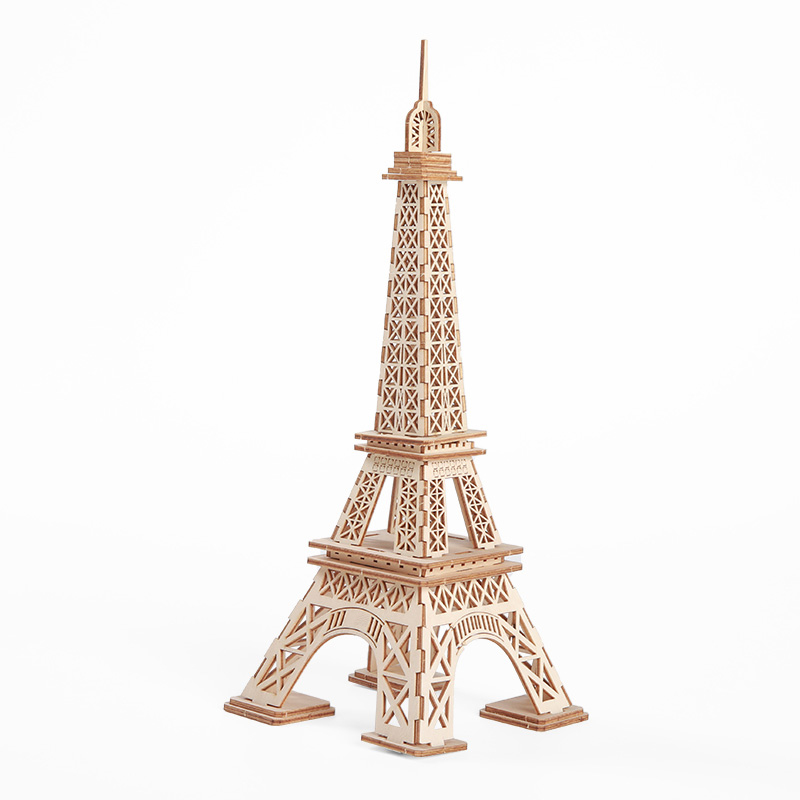
A completed puzzle often represents hours of patience and creativity.Unlike temporary puzzle games that are taken apart after completion,a glued wooden puzzle can become a long-lasting piece of art.
Using glue helps:
Keep puzzle pieces securely connected and prevent accidental separation.
Protect the puzzle structure during moving or storage.
Turn a completed puzzle into wall decoration or home artwork.
Preserve special memories,especially for family puzzles,educational puzzles,or handmade gifts.
For collectors and DIY enthusiasts,a wooden puzzle kit is not only an entertainment product but also a creative project that can be displayed after completion.
Choosing the right glue is the most important step.A good adhesive should provide strong bonding while maintaining the natural appearance of the wood.
Commercial puzzle glue is specially designed for preserving finished puzzles.It usually has a transparent finish and spreads evenly across the surface.It works well for most wooden puzzle designs and helps create a protective layer.
For thicker wooden puzzles,professional wood glue can provide stronger adhesion between pieces.However,it should be applied carefully because excessive glue may leave visible marks.
For smaller decorative puzzles,clear craft glue can also be a practical option.It is easy to apply and suitable for DIY projects.
When choosing glue,avoid products that become yellow after drying,as they may affect the appearance of the puzzle artwork.
Before applying glue,make sure all pieces are correctly placed.Check the surface carefully and remove any dust or small particles between the pieces.
A clean surface allows the adhesive to spread evenly and improves the final result.
Place the completed puzzle on a flat surface,such as a puzzle board,cardboard sheet,or protective film.This prevents the puzzle from moving during the gluing process.
For large wooden jigsaw puzzles,using a stable base is especially important because moving the puzzle after applying glue may cause gaps between pieces.
Apply a thin layer of glue over the front surface of the puzzle.Use a brush,sponge,or glue spreader to distribute the adhesive evenly.
Avoid using too much glue.A thick layer may create bubbles,uneven textures,or longer drying times.
After applying glue,leave the puzzle in a dry and ventilated area.Drying time depends on the type of adhesive used,but most products require several hours before handling.
Do not move or frame the puzzle until the glue is completely dry.
Once the puzzle is fully bonded,it can be placed inside a frame,mounted on a board,or displayed directly as decoration.
Many customers use custom wooden puzzles as personalized home decorations,classroom learning materials,or promotional gifts because they combine creativity and practical value.
A glued wooden puzzle offers several advantages compared with an unfinished puzzle:
The glue layer helps strengthen the connection between wooden pieces and reduces the risk of damage during transportation or storage.
Many wooden puzzles feature detailed illustrations,animals,landscapes,buildings,or educational patterns.After gluing,they can become attractive wall decorations.
Puzzle collectors often preserve limited edition or handmade puzzles.Gluing allows them to maintain the original design and enjoy the finished artwork permanently.
Because of their durability and creative appearance,wooden puzzle products are widely used in:
Home decoration
Children's education
Family entertainment
DIY craft activities
Gift customization
Souvenir development
Promotional products
Always test the glue on a small wooden surface first.
Apply a thin and even adhesive layer.
Keep the puzzle flat while drying.
Avoid high humidity environments.
Use a frame for additional protection.
For manufacturers producing OEM wooden puzzles,using high-quality materials and precise cutting technology is also essential.Well-made puzzle pieces fit tightly together,making the final glued artwork cleaner and more durable.
Knowing how to glue a wooden puzzle helps transform a simple puzzle activity into a long-lasting creative achievement.With the right glue,proper preparation,and careful application,a wooden puzzle can be preserved as artwork that brings enjoyment for many years.
Whether used for personal hobbies,educational purposes,or customized gifts,high-quality wooden puzzle kits provide both entertainment and decorative value.For businesses looking for unique creative products,customized wooden puzzles also offer excellent opportunities in gift markets,promotional campaigns,and personalized product development.
Yes,but it is better to use puzzle glue,wood glue,or clear craft adhesive designed for crafts.Regular glue may not provide enough strength or may affect the appearance after drying.
For most wooden puzzles,applying glue to the back provides a cleaner appearance.However,if you want extra protection,a thin layer on the front can also work.
Drying time depends on the adhesive type and environment.Generally,it may take several hours to fully dry.Always check that the surface is completely firm before framing.
Yes.A finished and preserved diy wooden puzzle can become a unique handmade gift for birthdays,holidays,educational events,and corporate promotions.

Room 201, Building 1, No. 1, Brick Kiln 2 Heng Road, Dongcheng Street, Dongguan City, Guangdong Province, China


Copyright © 2026 Dongguan XinYue Arts & Crafts Co., Ltd. All rights reserved.
Privacy Policy Cookie Policy Terms and Conditions



 English