2026-08-20 15:12:45
Mechanical puzzles are interactive puzzle products that combine creativity, engineering, and problem-solving. Unlike traditional puzzles, mechanical puzzles use moving parts, hidden structures, and unique mechanisms to create a more engaging experience.
With the growing demand for educational toys and STEM products, mechanical puzzles have become popular among children, hobbyists, and collectors. For toy brands and wholesale buyers, understanding how mechanical puzzles work and how they are manufactured can help in selecting the right products and reliable suppliers.
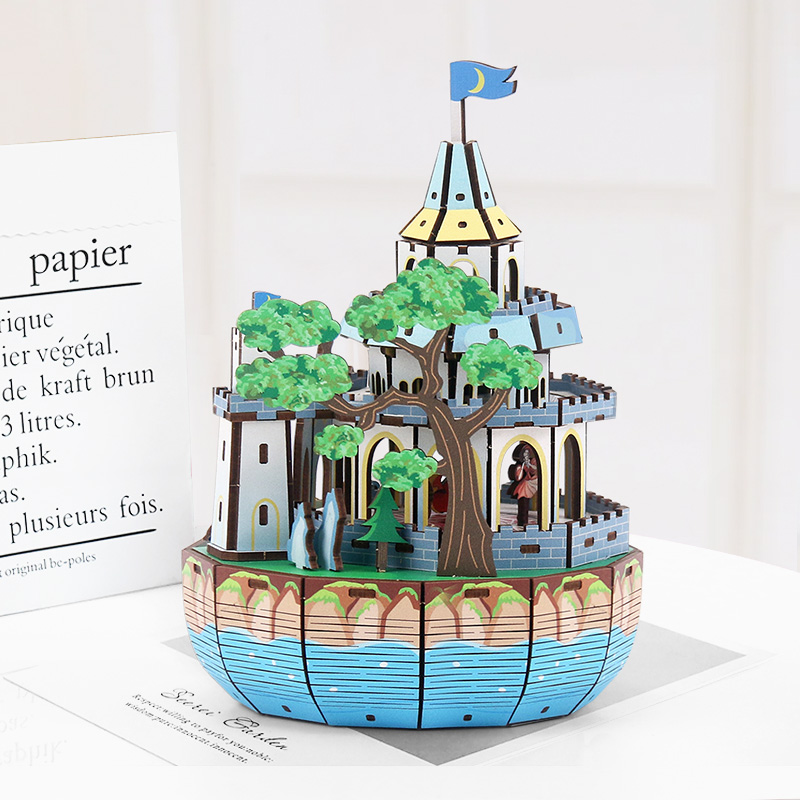
A mechanical puzzle is a type of puzzle that requires physical interaction to solve. Players need to move, rotate, assemble, or manipulate different components to discover the correct solution.
Unlike simple jigsaw puzzles, mechanical puzzles often include complex structures such as gears, locks, sliding parts, or three-dimensional assemblies. These designs encourage logical thinking, patience, and hands-on learning.
Common types of mechanical puzzles include:
Wooden mechanical puzzles
3D Wooden Puzzle kits
Brain teaser puzzles
Puzzle boxes with hidden mechanisms
Assembly and construction puzzles
The working principle of mechanical puzzles is based on the combination of mechanical structures and problem-solving logic. Each puzzle is designed with specific movements and challenges that guide users toward the solution.
The core feature of a mechanical puzzle is its physical mechanism. Different components work together through movement, connection, and interaction.
Depending on the design, mechanical puzzles may use:
Gears and rotating parts
Sliding mechanisms
Interlocking structures
Hidden locking systems
Movable wooden components
These structures create challenges that require users to observe, test, and understand how each part works together.
Mechanical puzzles are designed around specific solutions. Users must analyze the structure, identify patterns, and find the correct sequence of actions.
This process helps develop:
Logical thinking
Spatial awareness
Problem-solving skills
Concentration and patience
This is one reason why mechanical puzzles for kids are widely used as educational and STEM learning toys.
The performance of a mechanical puzzle depends greatly on material quality and manufacturing precision.
For example, wooden mechanical puzzles require accurate cutting, smooth finishing, and proper assembly to ensure that all parts move correctly.
High-quality materials and precise manufacturing help improve durability, user experience, and product value.
Wooden mechanical puzzles are among the most popular puzzle products because they combine natural materials with creative mechanical designs.
They are widely used by toy brands and retailers because of their premium appearance, environmental appeal, and educational value.
3d wooden puzzle kits allow users to build three-dimensional models by assembling different pieces together.
These products provide an enjoyable building experience while improving creativity and spatial thinking. They are popular in educational markets, gift industries, and hobby product categories.
Puzzle boxes use secret structures and hidden mechanisms that require users to discover the correct opening method.
These products are attractive to customers who enjoy challenges and interactive experiences.
The manufacturing process of mechanical puzzles requires a combination of creative design, precision production, and quality control.
The first step is developing the puzzle concept. Designers create the structure, mechanism, appearance, and difficulty level based on the target market.
For brands, working with a manufacturer that provides custom puzzle design services allows unique products to be developed according to specific requirements.
Before mass production, manufacturers usually create prototypes to test the mechanism, assembly process, and user experience.
Prototype testing helps identify design improvements and ensures that the final product works smoothly.
During production, advanced equipment is used for cutting, shaping, engraving, and assembling puzzle components.
A professional mechanical puzzle manufacturer focuses on production accuracy to ensure every puzzle meets quality requirements.
Quality inspection is an important step before delivery. Manufacturers check:
Component accuracy
Assembly performance
Surface quality
Product safety
Packaging condition
The popularity of mechanical puzzles continues to grow because they provide both entertainment and educational benefits.
For toy businesses, mechanical puzzles offer advantages such as:
Strong educational value
Suitable for STEM product lines
High customer engagement
Good gift market potential
Opportunities for product customization
For toy brands and wholesale buyers, customized products can create stronger market differentiation.
A professional mechanical puzzle manufacturer can provide:
Custom product design
OEM and ODM services
Material selection support
Custom packaging solutions
Bulk production capability
By cooperating with an experienced manufacturer, businesses can develop unique puzzle products that match their brand positioning and customer needs.
Mechanical puzzles require physical interaction with moving parts or structures, while traditional puzzles usually focus on arranging separate pieces to complete an image or pattern.
Yes. Many mechanical puzzles are designed for children and can help improve creativity, logical thinking, and hands-on skills. The difficulty level should match the child's age.
Mechanical puzzles can be made from wood, plastic, metal, or other materials. Wooden mechanical puzzles are especially popular because of their natural appearance and durability.
Yes. Professional manufacturers can provide custom mechanical puzzles with customized designs, packaging, branding, and product specifications.
A reliable manufacturer should have experience in product design, precision manufacturing, quality inspection, and OEM customization to support long-term business cooperation.
Mechanical puzzles work by combining creative design, precise structures, and logical challenges. Their unique interactive experience makes them popular educational toys and valuable products for toy brands and retailers.
For businesses looking to develop unique puzzle products, choosing an experienced mechanical puzzle manufacturer with customization capabilities can help create high-quality products for competitive markets.
Looking for a reliable mechanical puzzle manufacturer for your toy business? We provide professional custom puzzle design, OEM manufacturing, and wholesale solutions for toy brands, retailers, and distributors.
From concept development to mass production, our team can help create unique mechanical puzzles that meet your market requirements. Feel free to contact us to discuss your project and explore customized puzzle solutions.

Room 201, Building 1, No. 1, Brick Kiln 2 Heng Road, Dongcheng Street, Dongguan City, Guangdong Province, China


Copyright © 2026 Dongguan XinYue Arts & Crafts Co., Ltd. All rights reserved.
Privacy Policy Cookie Policy Terms and Conditions



 English